The psychology of habit formation and how a consistent evening routine can lower cortisol levels before your head hits the pillow.
The Pavlovian Response to Rest
Our nervous systems are pattern-recognition machines. Just as Pavlov's dogs learned to associate a bell with food, our bodies can learn to associate specific behaviors with sleep. This is the power of a ritual. It is not just about the actions themselves, but the signal they send to the brain.
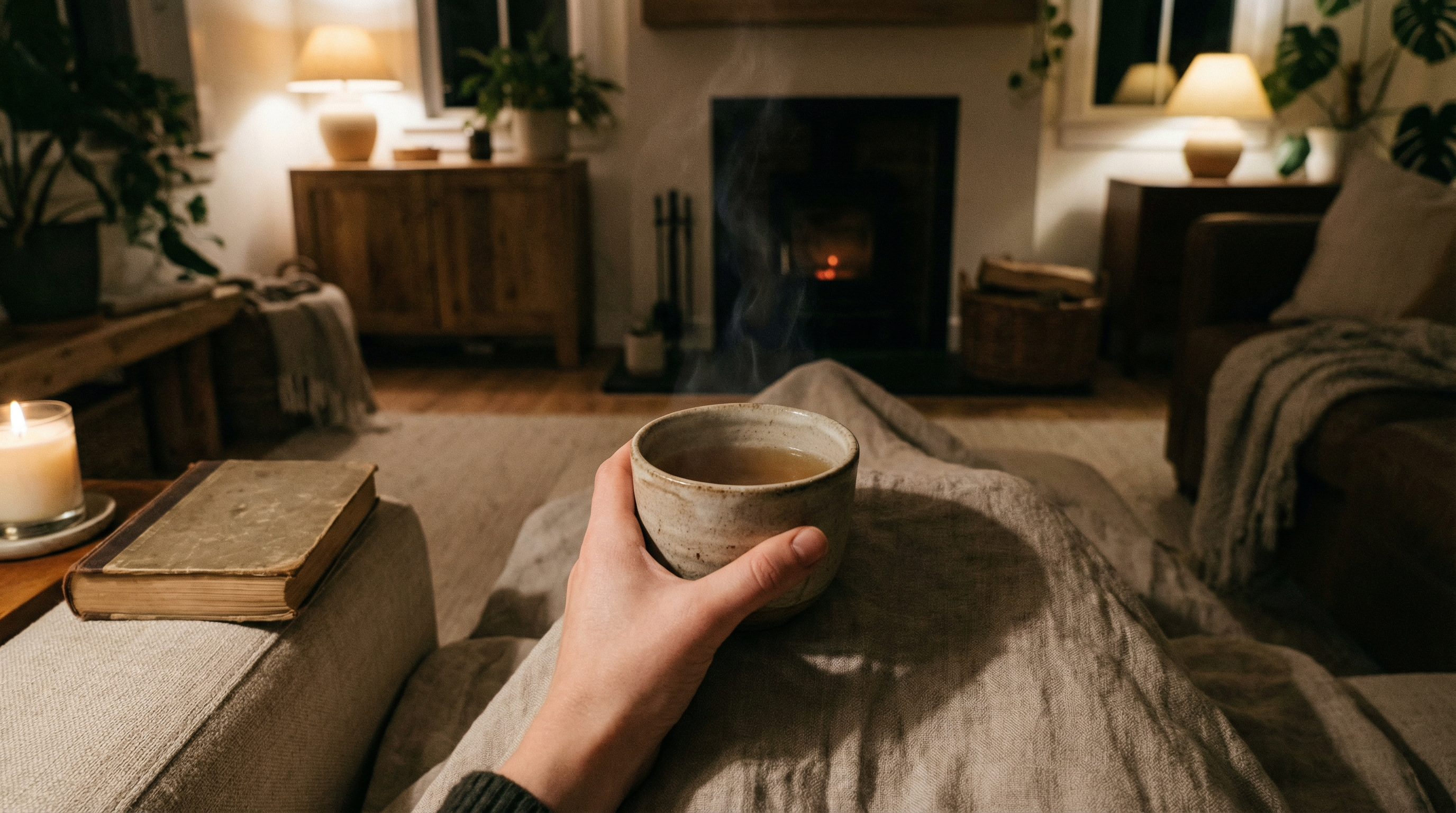
When you perform the same sequence of events every night—dimming the lights, brewing a warm drink, reading a book—you are creating a 'conditioned response.' Over time, the initiation of this sequence triggers a physiological shift: heart rate slows, cortisol drops, and the parasympathetic nervous system (the 'rest and digest' mode) takes over.
Breaking the Stress Loop
Modern life keeps us in a state of chronic sympathetic activation (fight or flight). We answer emails late, scroll through stressful news feeds, and worry about tomorrow's to-do list. An evening ritual acts as a circuit breaker. It provides a clear boundary between the demands of the day and the restoration of the night.
Designing Your Protocol
An effective ritual doesn't need to be long; it needs to be consistent. Start with a sensory cue, like the taste of Tonight's Tonic or the scent of lavender. Follow it with a low-stimulation activity. The key is repetition. By protecting this window of time, you are training your nervous system to feel safe, which is the fundamental prerequisite for deep sleep.