Alcohol and sleeping pills might knock you out, but are you actually resting? We explore the architecture of true recovery.
Unconsciousness is Not Sleep
There is a profound difference between being unconscious and being asleep. Sedation, often induced by alcohol or benzodiazepines, shuts off the firing of cortical neurons. While you are technically not awake, you are also not experiencing the restorative architecture of natural sleep.
The Architecture of Recovery
Natural sleep moves through distinct cycles: Light Sleep, Deep (Slow Wave) Sleep, and REM (Rapid Eye Movement) Sleep. Each stage serves a critical function. Deep sleep is when physical repair happens—muscles regenerate, and the immune system strengthens. REM sleep is the domain of emotional processing and memory consolidation.
Sedatives, particularly alcohol, are notorious for fragmenting sleep and suppressing REM cycles. You might pass out quickly, but your sleep is shallow and riddled with micro-awakenings. This is why you can sleep for eight hours after a night of drinking and still wake up feeling exhausted. Your body was 'out,' but it wasn't recovering.
Choosing Restoration
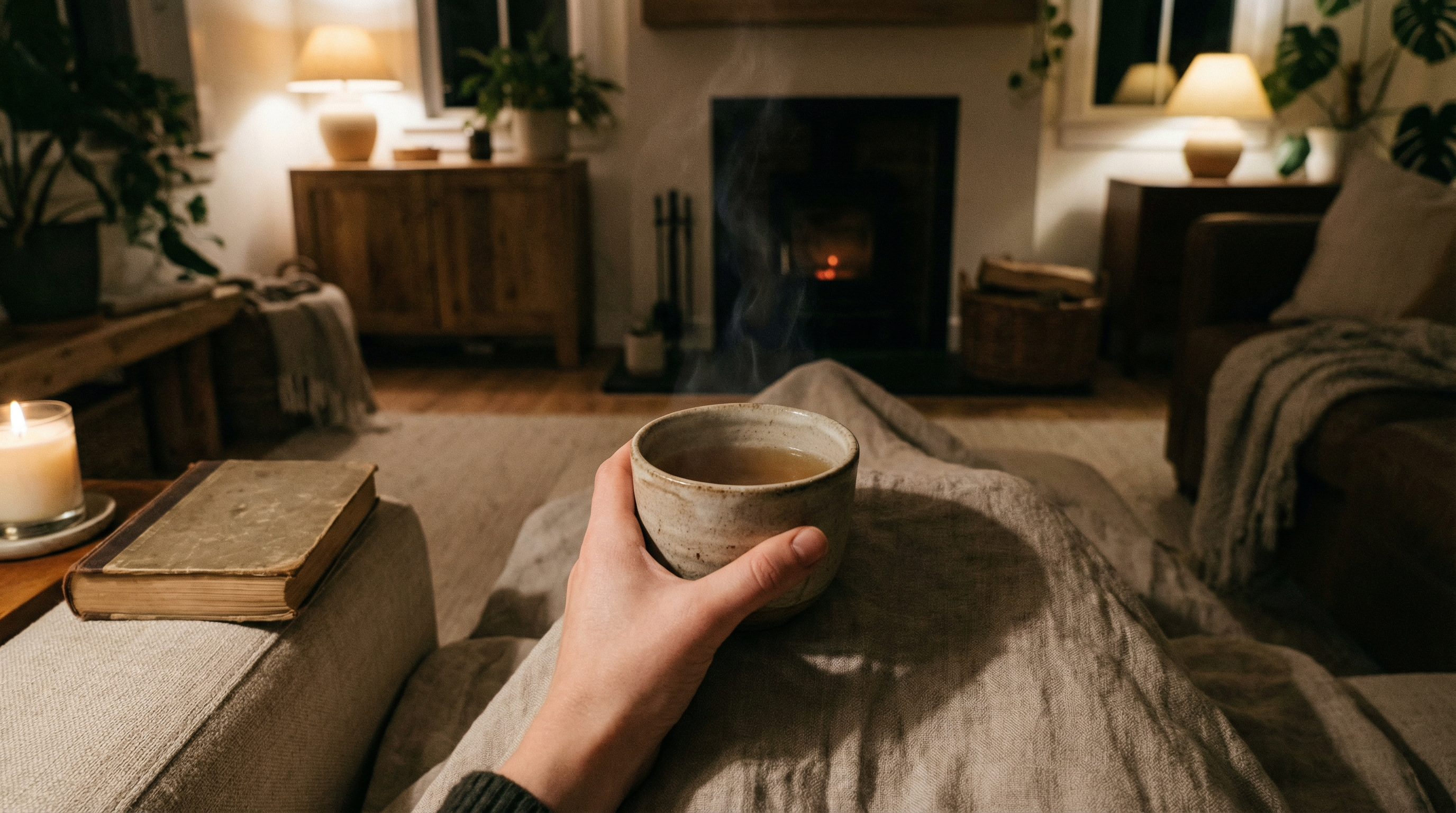
The goal of a night-time routine should be to facilitate natural sleep architecture, not to force unconsciousness. Ingredients like L-Theanine and Magnesium Bisglycinate work by promoting relaxation—calming the nervous system so that sleep can occur naturally—rather than sedating the brain into a coma-like state.